
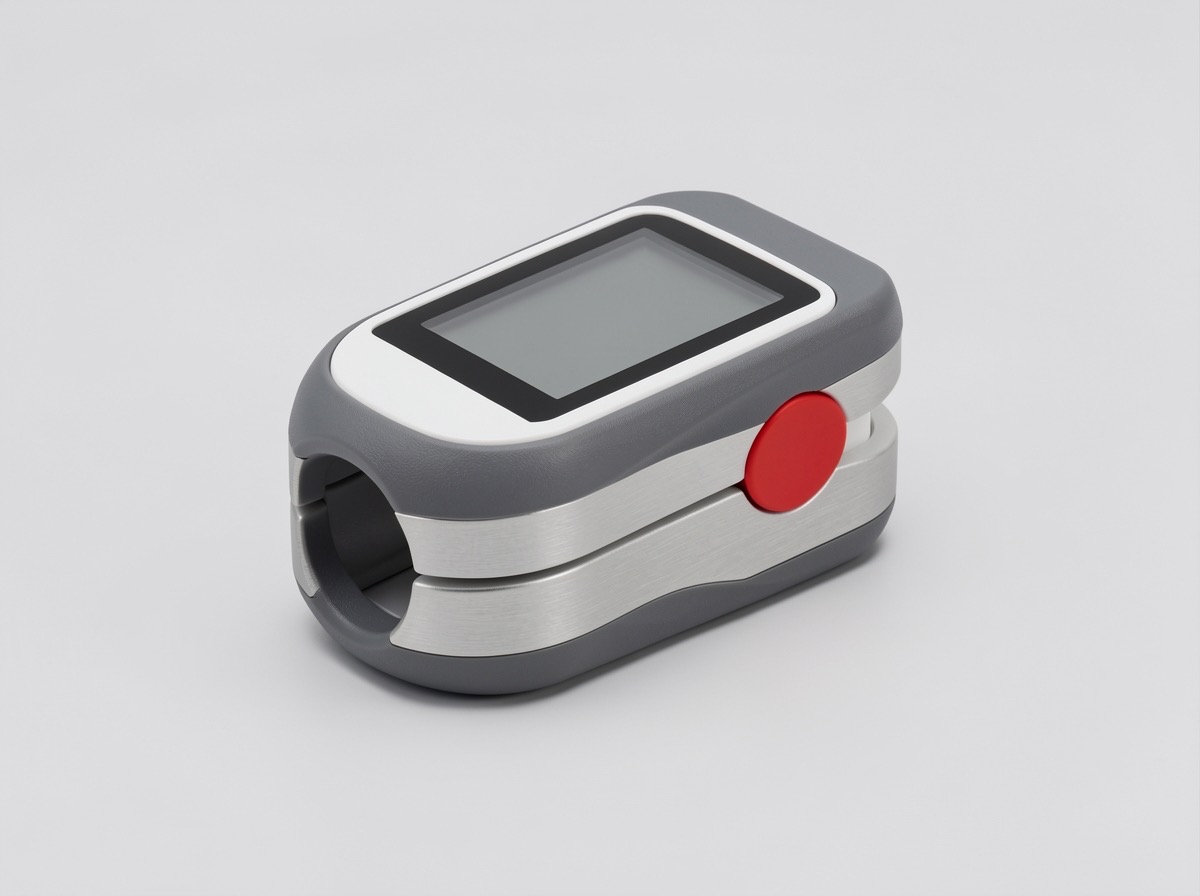
Illustrative picture. We confirm the exact model with your price.
Pulse oximeter
Spot checks of oxygen levels at home.
Good forChest conditions
- Price and delivery confirmed first
- A nurse can advise before you buy
- Set-up help when it is needed
What it is, and who it helps
For people with long-term lung conditions, a pulse oximeter is a daily companion that shows when oxygen levels fall. Used with a doctor's plan, it helps decide when to rest, use a reliever or seek help.
It is small, battery-powered and takes seconds to use, and many families keep one by the chair or bed.
How to choose
- Choose a device with a clear display and a quick, steady reading.
- Look for a model with an audible alarm for low oxygen if your doctor suggests it.
- Check that it works well with your parent's finger size and cold hands.
- Pick a brand with a warranty and available batteries.
Using it safely
- Use it with a calm, warm hand and no nail polish, and record the readings.
- Know the level at which to call the doctor, and do not adjust oxygen or medicine alone.
- Seek urgent help for severe breathlessness, blue lips or confusion.
Before you buy
Can it replace a doctor's visit?
No. It helps you decide when to call. Regular reviews are still needed.
Why is my parent's reading different at different times?
Oxygen levels vary with activity, position and temperature. Look at the pattern and ask the doctor what range to expect.
More in Breathing support · Care plans · Services · Medical equipment at home
General information, not medical advice. Ask a doctor, nurse or physiotherapist what is right for your parent.
Not sure this is the right one?
A nurse can suggest the right choice, arrange delivery and show how to use it.