How to practise
It is a habit of attention.
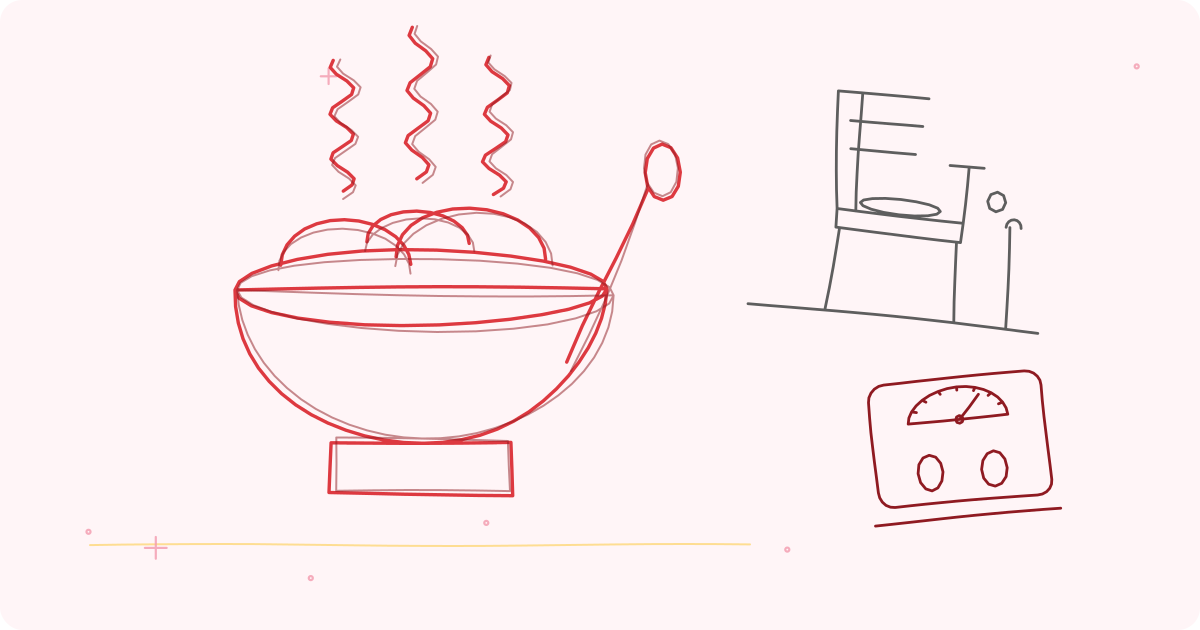
- Serve food on a smaller plate
- Eat slowly and put your spoon down between bites
- Pause halfway through the meal
- Stop when you notice the first sense of satisfaction
- Leave the table and do something else
What the research says
Traditional Okinawan diets were low in calories for their volume, and calorie moderation is linked to lower disease risk. Evidence for hara hachi bu itself comes from observation, not trials.
A caution for older adults
Seniors with poor appetite, weight loss or frailty should not restrict food. In that case focus on regular, nutrient-dense meals and speak to a doctor or dietician.
Portion sizes in Indian meals
A balanced plate might include half a plate of vegetables and salad, a quarter of dal or other protein, and a quarter of whole grains such as one or two rotis or a small bowl of rice. Serve food on a thali with small bowls (katoris), which naturally limits portions. Avoid second helpings of rice or sweets. At social meals, take a modest first serving and talk before deciding on more. Visual cues like a smaller plate help the brain feel satisfied.
Leave a little on the plate if you feel full.
Emotional eating and mindful pauses
Eating when sad, bored or lonely is common. Before eating, ask whether you are really hungry. If not, find another comfort: call a friend, take a walk, listen to music, drink tea. Keep tempting foods out of sight. Plan treats so that they are enjoyed rather than eaten guiltily. If emotional eating feels out of control, talk to a counsellor or doctor.
Self-kindness works better than self-criticism.
Older adults who should not restrict
Anyone who is underweight, frail, recovering from illness, losing weight without trying, or who has a poor appetite should focus on eating enough, not eating less. For them, small frequent meals, nutrient-dense foods and enjoyable company matter most. Ask your doctor or dietician about your ideal weight and needs. Hara hachi bu is a tool for those who tend to overeat, not a rule for everyone.
The goal is nourishment and pleasure, not deprivation.
Teaching children and grandchildren mindful eating
Children learn from what we do. Eat together, without screens, and talk. Serve small portions and let children ask for more. Praise trying new foods. Do not force them to finish everything or use food as a reward. Explain that bodies tell us when we are full. These habits protect children from overeating and build a lifelong healthy relationship with food.
Grandparents can play a special role by sharing traditional recipes and the stories behind them.
Mealtimes are opportunities for love and learning.
The science of fullness
Hunger and fullness signals travel between the stomach, gut hormones and the brain, and take around 20 minutes to register. Eating quickly means you can overshoot before the signals arrive. Slower eating, smaller plates and attention to the meal all help the signals catch up. Studies show that people who eat slowly tend to consume fewer calories and feel just as satisfied.
Calorie moderation without malnutrition has been linked in animal and some human studies with improved markers of ageing, though human trials of long-term restriction are limited.
Practical steps
Serve food in the kitchen, not at the table. Use a smaller plate and bowl. Put your cutlery down between mouthfuls. Chew thoroughly. Sip water. Stop when you feel the first sense of satisfaction rather than stuffed. Wait ten minutes before a second helping, and decide then. Avoid eating in front of the television.
At festivals and family events, enjoy the food and the company, and let the next meal be lighter.
When not to practise it
Do not restrict if you are underweight, frail, recovering from illness, have a poor appetite or have unplanned weight loss. In those situations, eating enough protein and calories is the priority. If in doubt, ask your doctor or dietician. The aim is mindful eating, not deprivation.
Mindful eating beyond the 80% rule
Mindful eating means noticing colours, smells, flavours and textures, and the body's signals. Eat without distraction, thank those who cooked, and savour the first few bites. Mindfulness helps you recognise emotional eating: reaching for food when bored, lonely or stressed. If you notice it, pause and ask what you need: rest, company or a walk.
A week-long experiment
For seven days, choose one meal each day to eat slowly, on a smaller plate, with no screens. Notice hunger before and satisfaction after. Keep a brief note of how you feel two hours later. At the end of the week, ask what you noticed. Many people find that their energy and digestion improve and that they enjoy food more.
Equipment mentioned in this guide
Frequently asked questions
What does hara hachi bu mean?
Roughly 'belly 80 percent full'.
Is it a diet?
It is a mindful habit, not a calorie-counting plan.
Will I feel hungry?
Most people feel satisfied after 20 minutes as fullness signals catch up.
How do I know what 80 per cent feels like?
It is the point where hunger has gone but you could still eat more. It takes practice.
Will I lose weight?
Some people do, particularly if they were overeating. Others simply feel better after meals.
Does it work for large festive meals?
Pace yourself, choose small portions of favourites and stop at that comfortable point.
Sources and further reading
- Willcox D.C. et al., The Okinawan diet, Journal of the American College of Nutrition (2009)
- Robinson E. et al., A systematic review and meta-analysis examining the effect of eating rate on energy intake and hunger, American Journal of Clinical Nutrition (2014)
- Buettner D., The Blue Zones: 9 Lessons for Living Longer From the People Who've Lived the Longest (National Geographic)
Tags: Digital weighing scaleEasy-grip cutlery setHealth monitoring devicesDaily living aidsBlue zonesLongevityElder care
This article is for general education and is not medical advice. Speak to your doctor before changing your exercise, diet or medicines.