Seven benefits
Each one adds up.
- Safer bathing, dressing and mobility
- Reliable medicine routines
- Nutritious meals and hydration
- Companionship that reduces loneliness
- Early notice of changes in health or mood
- Support with exercise and physiotherapy
- Relief and peace of mind for the family
What matters most
Training, kindness, reliability and a good match in language and temperament.
Personal care with dignity
Bathing, toileting and dressing are intimate tasks, and doing them well is a skill. A good attendant explains what they are about to do, covers the person for privacy, uses warm water and gentle touch, and lets the person do what they can. This preserves dignity and independence. Regular skin care and hygiene prevent infections and sores, and a fresh, comfortable person feels better in mood and confidence.
Ask your parent what makes them feel respected, and share it with the attendant.
Safer mobility and fewer falls
Attendants help with transfers from bed to chair, with walking and with using aids correctly. They learn to guide without lifting under the arms, to keep walkways clear, to notice dizziness and to encourage prescribed exercises. Having someone present at the riskiest moments, such as getting up at night, standing from the toilet or using stairs, reduces falls and the fear that follows them.
A physiotherapist can teach the attendant safe techniques for your parent.
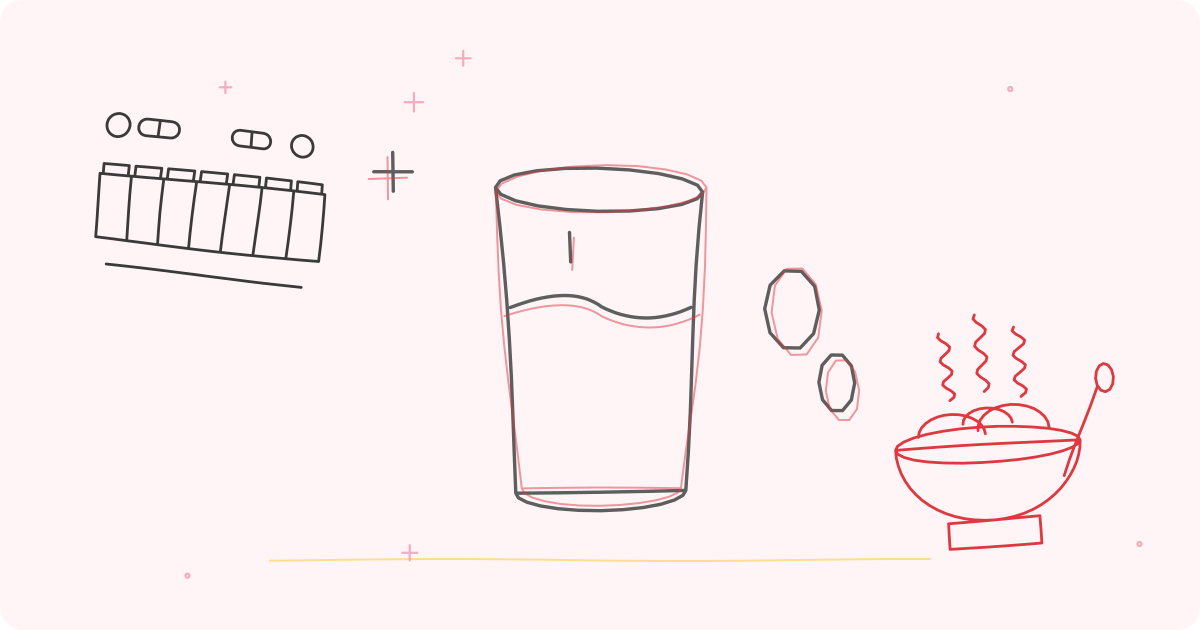
Food, fluids and medicines
Appetite and thirst decline in older age, so someone who prepares appealing meals, offers drinks regularly and sits to eat together can prevent dehydration and malnutrition. Attendants remind about medicines, record when they are taken and notice side effects. They shop, cook and clean with an eye on the person's tastes and health needs. Nutrition and medicine routines are two of the quiet ways attendants protect health every day.
Keep a simple daily log for food, fluids and medicines.
Spotting problems early
Because they spend time with your parent, attendants notice small changes: a new cough, swollen ankles, a red patch on the skin, poor sleep, low mood, new forgetfulness. Encourage them to tell you or the nurse without delay, and thank them for it. Early action avoids emergencies. Agree on what to report and how, and ensure they never feel blamed for bringing bad news.
A good attendant is the family's eyes and ears at home.
Support for family caregivers
Having an attendant is as much about the family as the patient. Caregivers who do everything alone risk exhaustion, poor health, resentment and isolation. A reliable attendant gives them time to work, sleep, see friends and rest. This sustains care over the long term and improves relationships, because family members can be daughters, sons or partners again instead of only carers.
Share the load fairly among relatives, hold regular conversations about how everyone is coping, and use respite services when needed.
Looking after the caregiver is not selfish; it is essential for the care of the person who needs help.
Signs that an attendant is doing well
Your parent looks clean, rested and well fed. They speak warmly of the attendant. The home is tidy and the notes are complete. Small problems are reported early. The attendant asks questions and respects routines. If you see these signs, tell the attendant how much it matters, and consider a small gesture of thanks on festivals and anniversaries.
Good carers stay when they feel valued.
What attendants do, and do not do
Attendants help with activities of daily living: bathing, dressing, toileting, feeding, transfers and mobility, as well as light housekeeping, meal preparation, medicine reminders, companionship and accompanying to appointments. They do not usually give injections, manage wounds or adjust medicines; those tasks belong to nurses. Understanding the difference ensures the right person does the right job and keeps your parent safe.
The difference a good attendant makes
With a steady attendant, falls fall, meals improve, medicines are not missed, skin stays healthy and early warning signs are noticed. Conversation and routine reduce loneliness and confusion. Families sleep better, knowing someone is there. Many older adults say that the best help feels like a friend who happens to be useful. Over months, attendants learn the person's habits, humour and preferences, which makes care personal.
Building a good working relationship
Introduce your parent and attendant, share routines and preferences in writing, and agree tasks and hours. Treat the attendant with respect, pay fairly and on time, give regular breaks and thank them. Encourage them to report concerns early. Keep communication open with both your parent and the attendant, and review the arrangement after a month.
Attendants and mental wellbeing
Regular companionship reduces loneliness, boredom and depression. Conversation, walks, games and shared meals stimulate the mind. Attendants who know the person's life story can bring up memories and encourage hobbies. A reliable routine reduces anxiety, especially for people with dementia. These emotional benefits are as important as physical help.
When one carer is not enough
If needs increase, consider two carers on rotation, a nurse for clinical tasks, a physiotherapist and a dietician. For round-the-clock care, shift patterns and rest for carers are essential. Review needs regularly, and be ready to adapt the team as health changes.
Equipment mentioned in this guide
Frequently asked questions
How is an attendant different from a nurse?
Attendants help with daily living. Nurses give clinical care.
Can an attendant be part-time?
Yes, from a few hours to 24-hour care.
How do I build trust?
Start with a short trial, meet in advance and keep communication open.
Can an attendant live in?
Yes, with a room, meals, rest times and days off agreed in advance.
What qualifications should an attendant have?
Look for training in basic care, first aid and manual handling; in India, home health aide courses exist under the healthcare skills council.
What if my parent dislikes the attendant?
Listen, try to understand why, and ask the agency for a different match.
Sources and further reading
- World Health Organization, Integrated care for older people (ICOPE) guidance (2017, 2019)
- Healthcare Sector Skill Council (India), Home Health Aide qualification
- NHS, Care and support guide
Tags: Transfer belt for carersShower chair with backDressing aid setMobility and walking aidsBathroom and toilet safetyDaily living aidsAgeing gracefullyElder care
This article is for general education and is not medical advice. Speak to your doctor before changing your exercise, diet or medicines.