What a home remedy can and cannot do
A UTI is a bacterial infection. The NIDDK says bacteria cause most bladder infections and that bladder infections can spread to one or both kidneys. It lists a burning feeling when urinating, frequent or intense urges to urinate, pain or discomfort in the lower abdomen, and cloudy, bloody or strong-smelling urine as symptoms. On treatment, its page states that "Bladder infections are most often treated with antibiotics."
The NHS describes what happens next. A GP may prescribe a short course of antibiotics, or may suggest waiting 48 hours in case symptoms settle. It says the full course should be finished even if a person feels better. Which of these applies to an older adult is a clinical decision. Home measures appear on these pages as self-care alongside medical treatment, not as a replacement for it. The NIDDK notes that kidney infections may cause severe pain and serious health problems if not treated early.
What the NHS lists as self-care
The NHS page on UTIs lists these self-care measures for symptoms:
- Rest and drink enough fluids so that urine is pale during the day.
- Paracetamol for pain and fever. Whether it is suitable for an older adult, and at what dose, is something a doctor or pharmacist decides, particularly for a person on other medicines.
- Limiting bladder irritants such as coffee, alcohol and fruit juice.
The NHS also says that cystitis sachets and cranberry drinks have no evidence of easing symptoms once an infection has started. Some products sold at chemists change the colour of urine or its acidity. They address symptoms, not the infection, and whether any is suitable for a person with kidney disease, heart disease or high blood pressure is a question for a pharmacist or doctor.
Fluids
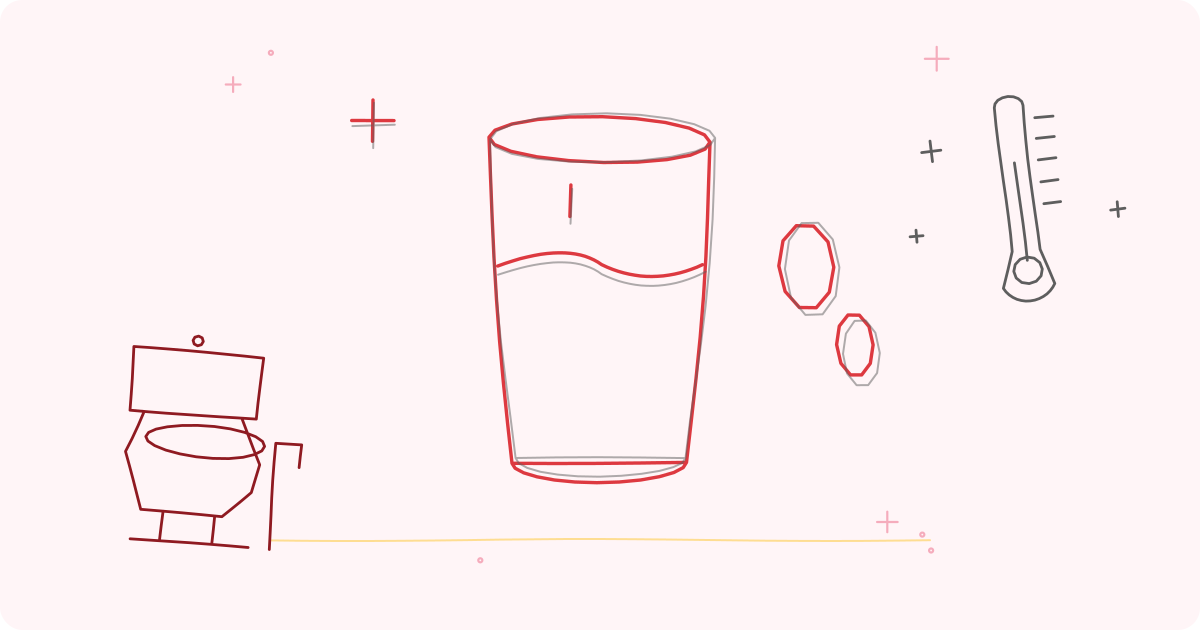
The NIDDK says drinking more fluids may speed recovery and ease symptoms, that drinking plenty of liquids may help prevent infections, and that water is the best choice. The NHS prevention list likewise includes drinking plenty of fluids. Neither page gives a single litre figure for older adults, and this guide does not either. Older articles that promise a specific number, such as two to four litres a day, should be treated with caution, because the right amount depends on the person's health. A doctor can say whether someone with heart or kidney disease has a fluid limit. The guide on hydration for older adults discusses why many older people drink too little and what makes drinking easier.
Cranberry and D-mannose
Cranberry is the most famous UTI home remedy. The NHS says D-mannose or cranberry products may help people with recurrent cystitis, but it adds three cautions: they can be high in sugar, a doctor should be consulted before use in pregnancy, and cranberry products should be avoided by anyone taking warfarin. The same page says cranberry drinks have no evidence of easing symptoms once an infection has started. The NIDDK page, for its part, does not mention cranberry and says researchers have not found that diet plays a role in treating bladder infections.
In short, these products are discussed by the NHS in the context of preventing recurrences in some people, not as treatment. Whether they suit a particular person, for example someone with diabetes or on a blood thinner, is a question for a doctor or pharmacist.
Other kitchen and herbal remedies
Garlic, barley water, coconut water, green tea, vitamin C tablets, herbal products such as bearberry, and probiotics are commonly mentioned online. The NHS and NIDDK pages cited here do not describe any of them as a treatment. This guide does not describe evidence for them, because no authoritative source that could be opened and read was found. Barley water and coconut water contribute fluid, which the NIDDK says may help. Whether any herbal or supplement product is safe for an older person who takes regular medicines is a question for a doctor or pharmacist.
Habits the NHS lists for prevention
The NHS prevention list includes wiping from front to back, keeping the genital area clean and dry, drinking plenty of fluids, urinating soon after sex, avoiding scented soaps, tight underwear and spermicidal products, and not holding in urine or rushing emptying of the bladder. The NIDDK says keeping the urinary tract healthy and wearing loose-fitting clothing may help prevent infections. The NHS also names catheters, menopause and not drinking enough among the risk factors.
For caring for someone who needs help with washing and incontinence, see the guide on personal hygiene care routines for older adults. For people who use a catheter, the guide on catheter care for seniors describes what nurses teach. For men, urinary symptoms have other common causes, covered in the guide on prostate problems and urinary symptoms.
When infections keep coming back
The NHS says recurrent UTIs may need a different antibiotic or low-dose antibiotics for prevention for up to six months, and that chronic UTIs, which may not show on urine tests, may need long-term antibiotics and a specialist referral. The American Urological Association publishes a guideline on recurrent uncomplicated UTIs in women, whose sections include estrogen, antibiotic prophylaxis and non-antibiotic prophylaxis. The full recommendations are behind a member login, so they are not summarised here. A doctor can say which preventive approach, if any, fits an individual.
Testing urine when there are no symptoms
Many older adults have bacteria in the urine without any symptoms, a finding called asymptomatic bacteriuria. The Infectious Diseases Society of America 2019 guideline recommends against screening for or treating it in older, community-dwelling people who are functionally impaired, and in older people living in long-term care facilities. The panel found that antibiotic treatment likely offers no reduction in death or sepsis, while adverse effects are particularly common in this population, including Clostridioides difficile infection and resistant organisms. For older people with impaired function or thinking who have bacteria in the urine but no urinary symptoms or signs of infection, the guideline recommends assessing for other causes and careful observation, for example in a person with delirium or a fall.
That does not mean a person with symptoms should wait. It means that a urine test result alone is not a diagnosis, and a doctor decides what the whole picture means. The NHS adds that in older people and those with dementia or catheters, signs may include changes in behaviour such as agitation or confusion, worsening incontinence and new shivering. The guide on delirium and dementia explains what else can cause sudden confusion.
When to see a doctor
This guide is general information, not medical advice. It does not replace a doctor, nurse or pharmacist who knows your situation.
Emergency. The NHS says to call emergency services immediately if a person is confused, drowsy or has difficulty speaking, and not to drive to hospital. In India the emergency number is 112. The NIDDK lists fever and chills, nausea or vomiting, and pain in the back, side or groin as signs of a kidney infection.
Urgent advice. The NHS lists these groups as needing an urgent GP appointment or NHS 111 advice: people aged 65 or over, men, people with diabetes, people using a catheter, people with blood in the urine, and people with a weakened immune system. It also lists symptoms that worsen or do not improve within 48 hours, and UTIs that keep coming back. The NIDDK says to contact a health care professional if there are symptoms of a bladder infection. In India, a family would contact their own doctor or the nearest hospital.
Equipment mentioned in this guide
Frequently asked questions
Can a UTI go away on its own with water and home remedies?
The NHS says a GP may sometimes suggest waiting 48 hours in case symptoms settle, but that is a clinical decision. The NIDDK says bladder infections are most often treated with antibiotics. Older adults are among the groups the NHS lists for urgent advice.
Does cranberry juice cure a urinary infection?
The NHS says cranberry drinks have no evidence of easing symptoms once an infection has started, and that D-mannose or cranberry products may help some people with recurrent cystitis. It advises avoiding cranberry products with warfarin.
How much water should an older person drink during a UTI?
The NIDDK says drinking more fluids may speed recovery and ease symptoms, and that water is the best choice. It gives no figure, and a doctor can advise a person with heart or kidney disease.
Is it a UTI if my parent is suddenly confused?
The NHS says that older people and people with dementia may show agitation or confusion with a UTI. The IDSA guideline also recommends looking for other causes when bacteria are found in the urine of an older person who has no urinary symptoms. A doctor can sort out which applies.
Why do older women get repeated UTIs?
The NHS lists menopause among the risk factors for UTIs. Why it happens in an individual, and what preventive options exist, is something a doctor can explain.
Should leftover antibiotics be used for a new infection?
The NHS describes antibiotics as prescribed by a GP after assessment, and says to finish the full course. Whether any leftover tablets are suitable is a question for a doctor or pharmacist.
Sources and further reading
- NHS, Urinary tract infections (UTIs)
- National Institute of Diabetes and Digestive and Kidney Diseases, Bladder Infection (Urinary Tract Infection, UTI) in Adults
- National Institute of Diabetes and Digestive and Kidney Diseases, Symptoms & Causes of Bladder Infection in Adults
- Infectious Diseases Society of America, 2019 Clinical Practice Guideline Update for the Management of Asymptomatic Bacteriuria (2019)
- American Urological Association, Recurrent Uncomplicated Urinary Tract Infections in Women: AUA/CUA/SUFU Guideline
Tags: home remedies for UTIUTI in elderlyurine infection seniorscranberry UTIrecurrent UTI preventionUTI hydrationConditions and devicesDisposable underpadsIncontinence and hygieneHealthy ageing
This article is for general education and is not medical advice. Ask a doctor or pharmacist about your own situation before changing any exercise, diet or medicine.