Start with the problem, not the product
Doctors who work with older adults often say the same thing: ask what problem you are trying to solve. A parent who forgets tablets needs a different tool from a parent who falls at night or one whose hearing is fading. A gadget bought for a vague worry tends to end up in a drawer.
WHO's assistive technology fact sheet frames the issue broadly. It says the world needs safe, effective and affordable assistive products, and notes that access varies enormously between countries. For families, the practical lesson is that price and novelty are poor guides. Fit, ease of use and reliability matter more.
A useful test before buying anything is to ask four questions. Who will set it up and keep it working? What exactly will it do when something goes wrong? Who will respond, and how quickly? And would the older person choose to use it? A device that is resented is usually not worn. Privacy and dignity with monitoring discusses how to have that conversation.
1. Pill boxes and reminders
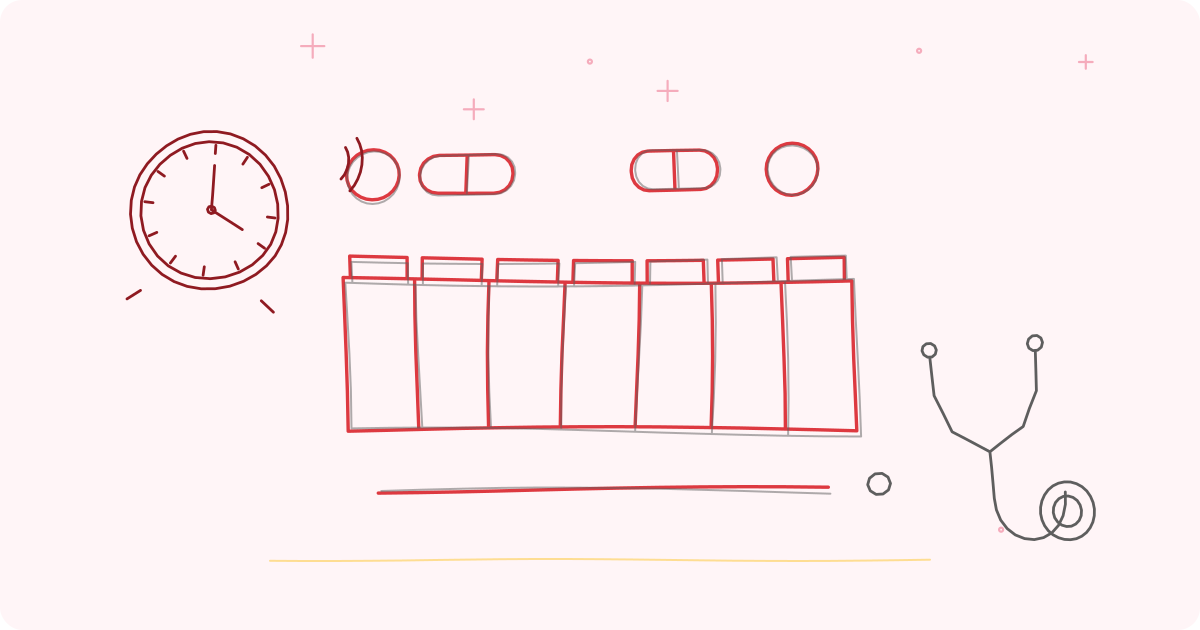
Missed and doubled doses are among the most common medicine problems in later life. The FDA's guidance on medicines for older adults says that people who have trouble remembering when or how much to take can tell their doctor, who may suggest tools such as a calendar or pill box, and that a pharmacist can help tell medicines apart. The FDA also advises keeping a written record of every prescription and over-the-counter medicine, supplement, vitamin and herbal product, and sharing it with each doctor.
Simple weekly pill boxes with morning, afternoon and night compartments are inexpensive and need no battery. Electronic dispensers with alarms may help someone who forgets, and some can alert a family member. They have limits. A dispenser cannot tell whether a tablet was swallowed, and it cannot tell whether a dose should change after a doctor's visit. Filling it is itself a task that can go wrong, so many families do it together once a week. Two cautions follow from medicine safety guidance. The pill box should be refilled from the current prescription list, not from memory, and any change in dose should come from the prescriber. Medication safety for older adults explains how to keep a reliable list.
2. Blood pressure monitors
A home blood pressure monitor is probably the most useful health gadget in many Indian homes, because high blood pressure usually has no symptoms. The CDC says it usually has no signs or symptoms and that measuring is the only way to know if you have it. It also says a clinician may suggest a validated monitor at home to help confirm a diagnosis.
The NHS describes two thresholds, usually 140/90 or higher when taken by a health professional and 135/85 or higher when taken at home, and says a person may be asked to check at home regularly over a few days. Doctors, not families, interpret these numbers, and targets differ for older adults with other conditions. The World Health Organization notes that people can measure their own pressure with automated devices but that evaluation by a health professional matters for assessing risk.
Practical points that doctors commonly raise: choose a device that has been validated for accuracy, use the right cuff size, and bring the device to a clinic once so the reading can be compared with a clinic measurement. Readings taken just after walking, a hot drink or a quarrel can mislead, so doctors usually ask for a log kept at consistent times. Ask the doctor how the log should be recorded and when to call.
3. Pulse oximeters
During the COVID-19 waves, fingertip oximeters were bought in huge numbers. The FDA says they are less accurate than most people assume. Its guidance lists skin pigmentation, poor circulation, skin thickness, skin temperature, tobacco use and fingernail polish as things that can affect readings. It says consumer "general wellness" oximeters are not reviewed by the agency, and only a small number of over-the-counter models are cleared for medical use. It also notes that some people with low oxygen have few or no symptoms, and that only a health care provider can diagnose low oxygen.
The same page lists symptoms that call for a provider: a bluish face, lips or nails, shortness of breath, worsening cough, chest pain or tightness, restlessness and a fast or racing pulse. A normal-looking number on a gadget is therefore not a reason to ignore those symptoms. An oximeter is best used when a doctor has asked for it, with a clear plan for what to do with the result.
4. Smartwatches, bands and heart-rate sensors
Heart-rate and step counts on a wristband can motivate walking. Some watches also offer rhythm checks that a doctor may find useful. Three cautions apply.
First, accuracy is not guaranteed and a reading is not a diagnosis. Second, the FDA's February 2024 safety communication warns that no smartwatch or smart ring has been authorised, cleared or approved to estimate glucose without piercing the skin, and that wrong readings in someone with diabetes could lead to wrong doses of insulin or other medicines, with a risk of dangerously low blood sugar. Anyone with diabetes should use only the glucose meter or sensor their doctor has prescribed. Third, constant alerts can frighten older people and lead to unnecessary visits. A device that cannot be switched to a simple mode is usually a poor choice for an anxious user.
5. Fall detectors and panic buttons
A fall does not always cause serious injury, but lying on the floor for a long time can. Why lying on the floor after a fall is dangerous explains why a fast response matters. This is the strongest argument for a pendant, wristband or watch: not that it prevents falls, but that it shortens the time before someone knows.
Be realistic about what the research says. The World Falls Guidelines give a conditional recommendation that wearables are not supported by current evidence for preventing falls. The NHS advises carrying a personal alarm or mobile phone. Two things then decide whether a device helps: automatic detection that is good enough to work without false alarms, and a clear plan for who answers. A fall alert that rings on a phone nobody is watching is no use. Fall-detection watches: features, accuracy and limits, fall-detection false alarms and the panic pendant buying guide go into the details.
6. Home sensors: smoke, gas, doors and motion
Smoke and gas detectors are among the most protective devices a home can have, and they are not specific to old age. Door sensors, motion sensors and automatic cut-offs for kettles and stoves can help families who worry about a parent with memory problems or who lives alone. They work best when installed with the older person's agreement, tested regularly and replaced when their batteries or sensors age. See smoke and gas safety for older adults, the door sensor guide and safety device batteries and checks.
7. Hearing aids and amplifiers
Hearing loss in older adults is common and linked to isolation, so a hearing aid is often a gadget with real benefits. The FDA explains that over-the-counter hearing aids are for adults aged 18 and older with perceived mild to moderate hearing loss, and that a person with suspected severe or profound loss should see a hearing professional. Its label lists reasons to see a doctor first, preferably an ear, nose and throat specialist: ear pain or discomfort, discharge from the ear in the past six months, a sudden or fluctuating change in hearing, hearing much worse in one ear, ringing in only one ear, severe dizziness, heavy earwax or an ear injury.
The FDA also says personal sound amplification products are electronic products, not hearing aids. They are meant for people with normal hearing who want to amplify sounds in certain settings and are not regulated as medical devices. A cheap amplifier bought for a hearing problem can delay a proper hearing test. Hearing aid buying guide and hearing aid or personal sound amplifier cover the choice.
How to choose and use any gadget
- Ask the doctor or pharmacist before buying a medical device. They know which readings they will use.
- Prefer simple devices with large displays, one or two buttons and loud, clear sound.
- Check who services it, whether the battery is rechargeable or replaceable, and what happens after the warranty.
- Set it up with the older person and rehearse one real alert before relying on it.
- Write down who is called first, second and third if there is no answer.
- Keep a short written record of readings to take to appointments. A single figure on a phone screen tells a doctor little.
- Think about privacy. Cameras and microphones in a parent's room need consent, and many older adults reasonably refuse them.
- Do not let a gadget replace visits, phone calls or a regular check-up.
When to see a doctor
This guide is general information, not medical advice. It does not replace a doctor, nurse or pharmacist who knows your situation.
Emergency: call 112
- Chest pain or tightness, severe shortness of breath, bluish lips, sudden confusion, fainting, or sudden weakness of the face, arm or leg, whatever a device shows. The FDA lists bluish lips, trouble breathing and chest pain as symptoms to take to a provider, and these are the kind of symptoms for which people are generally advised to call for emergency help.
- A fall with a head injury, inability to get up, or severe pain after a fall.
Soon: see a doctor in the next few days
- Repeated high or very low blood pressure readings, or dizziness on standing.
- A reading on any gadget that worries you, or a pattern that keeps changing.
- New hearing change, ear pain or discharge.
- A parent who seems to have missed or doubled tablets.
Equipment mentioned in this guide
Frequently asked questions
Which gadget is most worth buying for an older parent?
It depends on the problem. For many families a validated upper-arm blood pressure monitor and a simple weekly pill box matter most, because high blood pressure usually has no symptoms and missed doses are common. A doctor can say which applies.
Can a smartwatch check blood sugar?
The FDA says it has not authorised, cleared or approved any smartwatch or smart ring that measures blood glucose without piercing the skin, and warns against using them. People with diabetes should use only the devices their doctor prescribed.
Is a pulse oximeter reliable at home?
The FDA says skin pigmentation, poor circulation, temperature, nail polish and other things can affect readings, and that few over-the-counter models are cleared for medical use. A reading should not override symptoms.
Do fall-detection pendants prevent falls?
The World Falls Guidelines say current evidence does not support wearables for preventing falls. They can shorten the wait for help, if someone is ready to respond.
Are over-the-counter hearing aids suitable for everyone?
The FDA says they are for adults with perceived mild to moderate hearing loss. It lists conditions, such as sudden hearing change or ear pain, that call for seeing a doctor first.
Can a pill dispenser replace supervision?
No. It cannot confirm that a tablet was swallowed or that the dose is still right. Families usually fill it from the current prescription list together with the older person.
Sources and further reading
- World Health Organization, Assistive technology fact sheet (2024)
- Montero-Odasso M, et al., World guidelines for falls prevention and management for older adults, Age and Ageing (2022)
- US FDA, Pulse Oximeter Basics
- US FDA, Do Not Use Smartwatches or Smart Rings to Measure Blood Glucose Levels: FDA Safety Communication (2024)
- US FDA, OTC Hearing Aids: What You Should Know
- NHS, High blood pressure (hypertension): Diagnosis
Tags: health gadgets for seniorssenior safety devicesblood pressure monitorpulse oximeterfall detectorpill dispenserhearing aidSafety and alert devicesHealth monitoring devicesGentle exercise at home
This article is for general education and is not medical advice. Ask a doctor or pharmacist about your own situation before changing any exercise, diet or medicine.